Artist
Jacob de Wit (1695–1754)
28 works by Jacob de Wit (Dutch, 1695–1754) from 4 museums and collections. Wikipedia
Play these on Gallery TVBrowse and filter them
24 works shown, in the site's best-first order
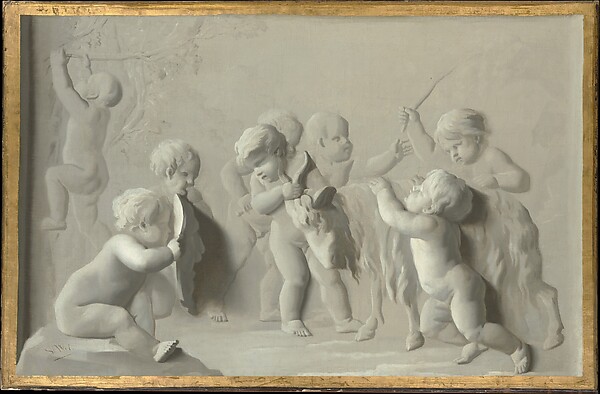
Children Playing with a GoatJacob de WitThe Metropolitan Museum of Art 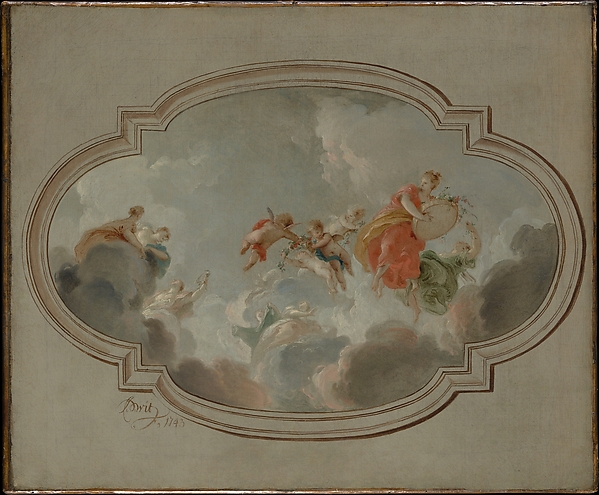
Flora and ZephyrJacob de Wit, 1743The Metropolitan Museum of Art 
Design for a Ceiling: Apotheosis of Callisto or Diana (recto), and Sketch of Figures (verso)Jacob de Wit, 1731Art Institute of Chicago 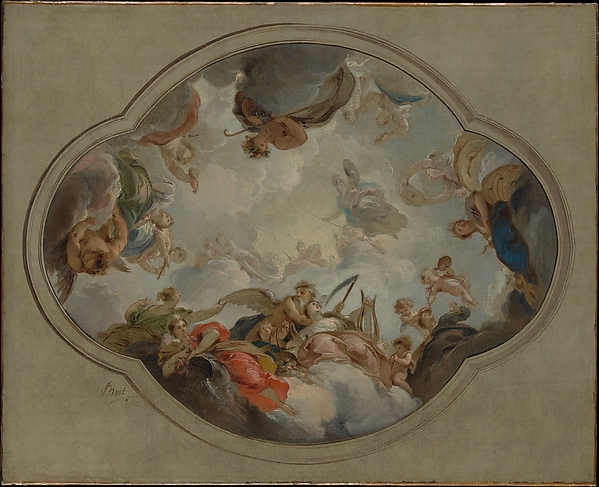
Allegory of the ArtsJacob de Wit, 1742The Metropolitan Museum of Art 
Minerva with Two PuttiJacob de Wit, n.d.Art Institute of Chicago 
Baby Satyrs and Putti Playing with DonkeyJacob de Wit, n.d.Art Institute of Chicago 
The Four Fathers of the ChurchJacob de WitNational Gallery of Art, Washington 
Study for a Ceiling: Allegory of the Harvest with Dionysus and CeresJacob de WitNational Gallery of Art, Washington 
The Judgment of ParisJacob de Wit, c. 1731National Gallery of Art, Washington 
Jupiter and MnemosyneJacob de Wit, 1733Art Institute of Chicago 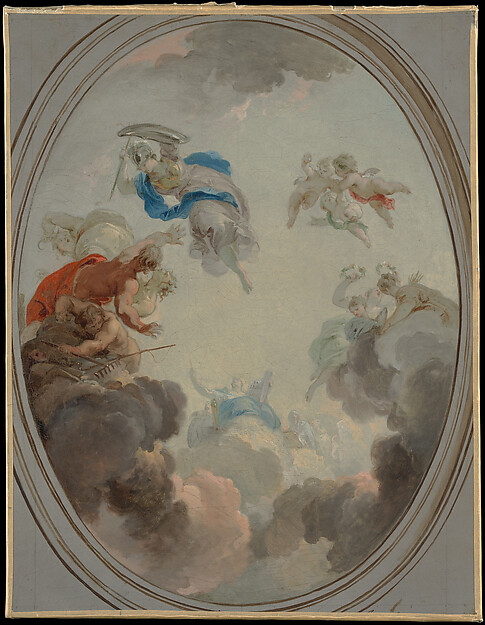
Allegory of Government: Wisdom Defeating DiscordJacob de WitThe Metropolitan Museum of Art 
Druids Cutting MistletoeJacob de Wit, n.d.Art Institute of Chicago 
Putti with Shield and SwordJacob de Wit, n.d.Art Institute of Chicago 
Christ and the Woman of SamariaJacob de Wit, n.d.Art Institute of Chicago 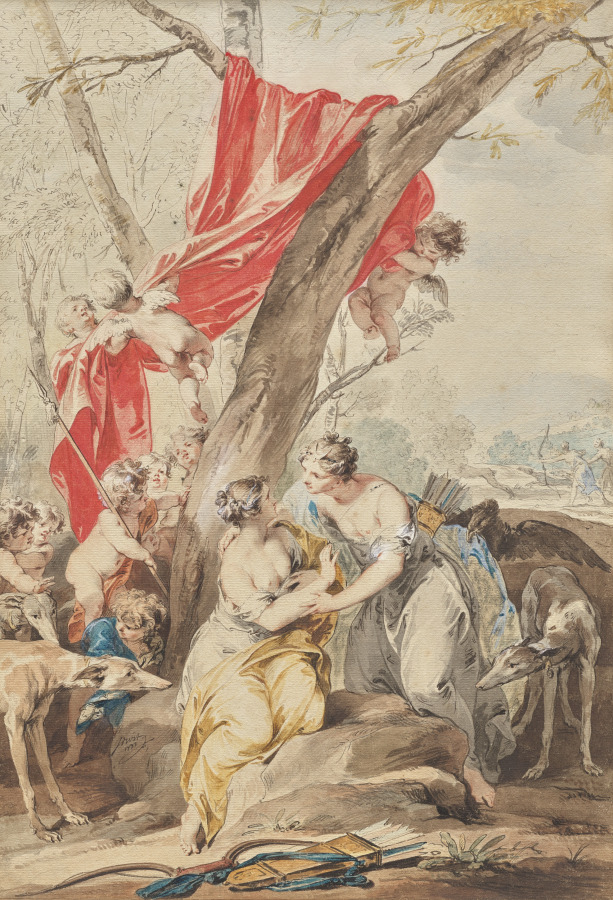
Jupiter (in the guise of Diana) and CallistoJacob de Wit, 1733The Cleveland Museum of Art 
Allegory of WinterJacob de Wit, n.d.Art Institute of Chicago 
Five Putti at PlayJacob de Wit, n.d.Art Institute of Chicago 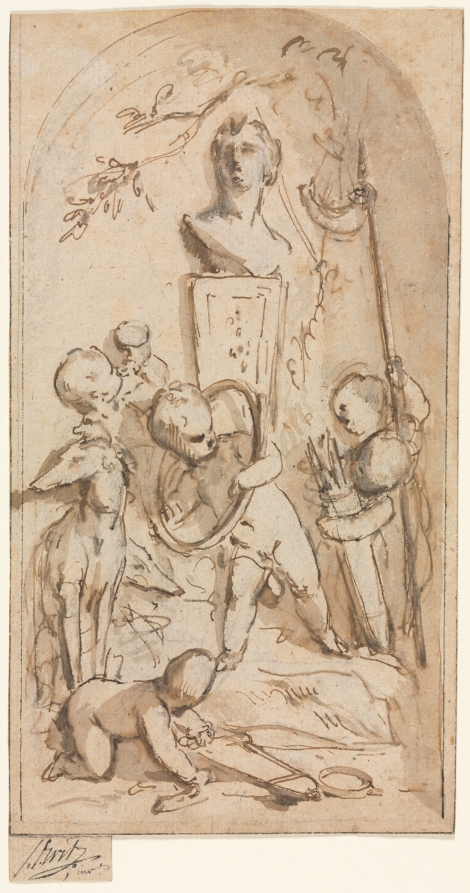
Bust of Diana with Putti and Hunting AttributesJacob de Wit, 1700–1750The Cleveland Museum of Art 
Playing PuttiJacob de Wit, n.d.Art Institute of Chicago 
Study for Apotheosis of HerculesJacob de Wit, c. 1746Art Institute of Chicago 
Putti with MedallionJacob de Wit, n.d.Art Institute of Chicago 
Three PuttiJacob de Wit, n.d.Art Institute of Chicago 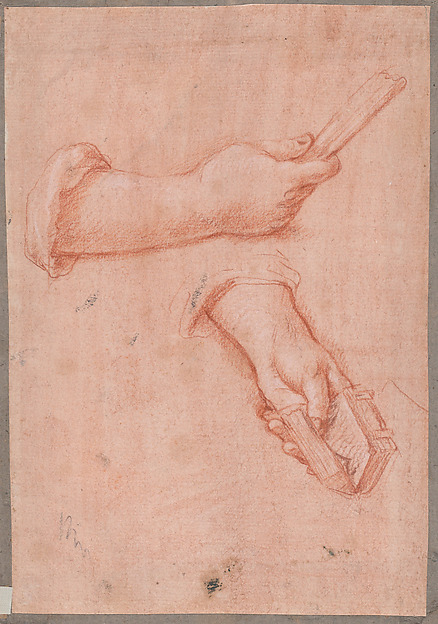
Study of Two HandsJacob de Wit, ca. 1720–50The Metropolitan Museum of Art 
Apollo and ThetisJacob de Wit, early 18th centuryThe Metropolitan Museum of Art